It starts small. A twinge when you reach for something overhead. Stiffness in the morning that used to go away by 9 a.m. but now lingers until noon. A low, grinding ache in your lower back that follows you to work, to dinner, to bed.

For millions of Americans, joint and muscle pain isn't a dramatic injury. It's a slow accumulation — weeks, months, sometimes years of discomfort that gradually reshapes daily life. You stop reaching up. You stop running. You start sleeping on the other side. You start planning your day around your body's limits rather than your own desires.

This guide is for anyone who's been in that place — and for anyone who's looking for a clearer picture of why it happens, who it most affects, and what evidence-informed solutions are actually making a difference.

126M
Americans living with chronic pain (CDC, 2024)
1 in 4
US adults affected by arthritis — the leading cause of joint pain
$650B
Annual economic cost of chronic pain in the US
#2
Leading reason adults visit the doctor globally

It Affects Far More People Than You Might Think

There's a common misconception that joint and muscle pain is primarily a problem of old age — that it arrives predictably at 65, accompanied by a rocking chair. The reality is far broader. Pain affects people at every stage of life, every body type, and every lifestyle.

🎾
Racket Sports Athletes
Tennis,Table Tennis pickleball,beach tennis and squash players face repetitive rotator cuff strain, tennis elbow, and knee inflammation — often from years of high-impact lateral movement and overhead swings.
🥾
Long-Distance Hikers & Pilgrims
Thousands of people walk routes like the Camino de Santiago each year — covering 800+ km on foot. Knee pain, plantar fasciitis, hip fatigue, and back strain are among the most common complaints. Many say joint support was the deciding factor between finishing and giving up.
🏃
Runners & Trail Athletes
The cumulative impact of running — especially on hard surfaces or uneven trails — places significant stress on knees, ankles, hips, and the lower spine. IT band syndrome, runner's knee, and stress-related joint inflammation are extremely common even in recreational runners.
🏋️
Gym & CrossFit Athletes
Heavy lifting and high-intensity training create cumulative joint stress — particularly in shoulders, hips, knees, and the lower spine. Recovery becomes increasingly critical over time.
💻
Desk Workers
Prolonged sitting and forward-head posture are now among the leading causes of chronic neck, shoulder, and lower back pain. The Bureau of Labor Statistics estimates 30%+ of workers experience MSK pain from desk work.
👴
Adults Over 50
Age-related cartilage thinning, reduced joint fluid, and hormonal changes accelerate wear on major joints. Stiffness, reduced range of motion, and persistent aching are extremely common — but not inevitable.

What's Actually Going On Inside the Body

Joint and muscle pain rarely have a single cause. More often, they result from a cascade of interconnected issues — and understanding that cascade is key to addressing it effectively.

1
Inflammation — the body's alarm that won't turn off Acute inflammation is a healthy response to injury. But when it becomes chronic — triggered repeatedly by overuse, poor mechanics, or systemic conditions — it damages the very tissue it was meant to protect. Inflamed joints fill with excess fluid, stiffen, and lose range of motion. Inflamed muscles tighten into spasm, compressing nearby nerves and creating radiating pain.
2
Cartilage degradation and joint space narrowing Cartilage acts as the shock-absorbing lining of every joint. It has no blood supply and regenerates slowly. Once it begins to thin — from age, injury, or repetitive impact — bone begins to contact bone during movement, producing the characteristic deep, grinding ache of osteoarthritis. Nearly 33 million American adults have been diagnosed with osteoarthritis.
3
Nerve compression and radiculopathy Herniated discs, narrowed spinal canals, or inflamed tissue around nerves create a different kind of pain — sharp, radiating, electric. Sciatica, carpal tunnel syndrome, and cervical radiculopathy all fall into this category. The pain travels along the nerve's path, sometimes making it feel distant from its actual source.
4
Tendon and soft tissue degeneration Tendons connect muscles to bones and are stressed with every movement. Overuse causes microscopic tears that accumulate over years — a process called tendinosis. Unlike acute tendinitis (inflammation), tendinosis is chronic structural degradation. It responds poorly to anti-inflammatories and often requires targeted mechanical stimulus to prompt healing.
5
Restricted circulation and metabolic waste accumulation Stiff, damaged tissue restricts blood flow — which slows the delivery of oxygen and healing factors, while allowing inflammatory compounds (cytokines, prostaglandins) to build up. This creates a self-reinforcing cycle: pain causes guarding, guarding reduces movement, reduced movement worsens circulation, worsening circulation amplifies pain.

The Daily Toll Rarely Gets Talked About

Pain statistics rarely capture what it actually feels like to live inside a body that hurts. The real cost is measured in ordinary moments that quietly disappear:

  • Waking up stiff and needing 20 minutes before you can move comfortably
  • Avoiding the activities — pickleball, hiking, gardening, dancing — that used to bring you joy
  • Lying awake at 2 a.m. because no position is comfortable, especially on the painful side
  • Declining invitations because you're not sure how your body will feel that day
  • Depending on ibuprofen more than you'd like, knowing the risks are real
  • Watching your mobility gradually narrow your world, year by year

I didn't realize how much I'd stopped doing until my daughter pointed it out. I hadn't gone for a walk with her in months. I'd been managing my life around the pain without even noticing.

— Carol T., 58, teacher and recreational tennis player

Why Most Common Approaches Fall Short

The instinct when something hurts is to either push through it or reach for a pill. Neither addresses what's actually happening in the tissue. Over-the-counter pain medications reduce pain signals temporarily, but they do nothing to restore circulation, reduce mechanical compression, or stimulate cellular repair in damaged tissue.

The same limitation applies to rest. Complete rest was once universally recommended for joint and muscle injuries. We now know it often makes things worse — without mechanical input, tendons and joints lose their ability to remodel and heal. The evidence increasingly supports controlled, targeted movement and stimulus over passive waiting.

The most effective approaches for chronic joint and muscle pain combine multiple mechanisms: improved local circulation, reduction of inflammatory waste buildup, targeted mechanical stimulus to promote tissue remodeling, and nerve-level pain modulation. Single-mechanism treatments — one pill, one cream, one device — rarely address the full picture.

A Changing Landscape: What People Are Turning To

The topical pain relief market in the United States is projected to reach $18.4 billion by 2034 — fueled primarily by one trend: people increasingly preferring targeted, non-systemic approaches that don't carry the side-effect burden of oral medications. This shift is real, and it's backed by both consumer data and clinical evidence.

Beyond topical products, wearable therapeutic devices have emerged as a fast-growing category — combining heat, compression, and vibration in formats that can be used at home, on the move, and without a prescription. Physical therapists increasingly recommend multi-modal home therapy as a bridge between clinical sessions.

🧴

Topical Analgesics

Menthol, capsaicin, and lidocaine-based formulas provide targeted surface relief without systemic drug exposure.

🌿

Natural Balms

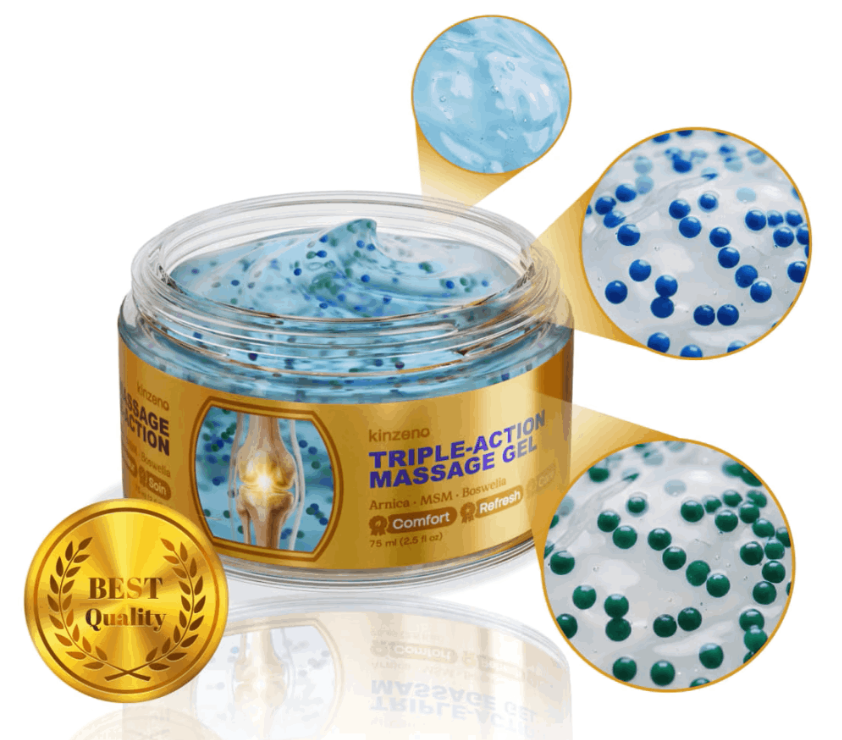
Herbal and botanical blends (arnica, camphor, eucalyptus) are among the fastest-growing segments — natural, non-greasy, effective for muscle soreness.

❄️

Cooling Relief

Cold counterirritant formulas reduce acute inflammation, numb surface pain, and are ideal for post-activity soreness and nerve-related pain.

Solutions People Are Using & Talking About

Based on our editorial review and reader feedback, these are the products getting real traction among people dealing with persistent joint and muscle pain — across different conditions, lifestyles, and budgets.

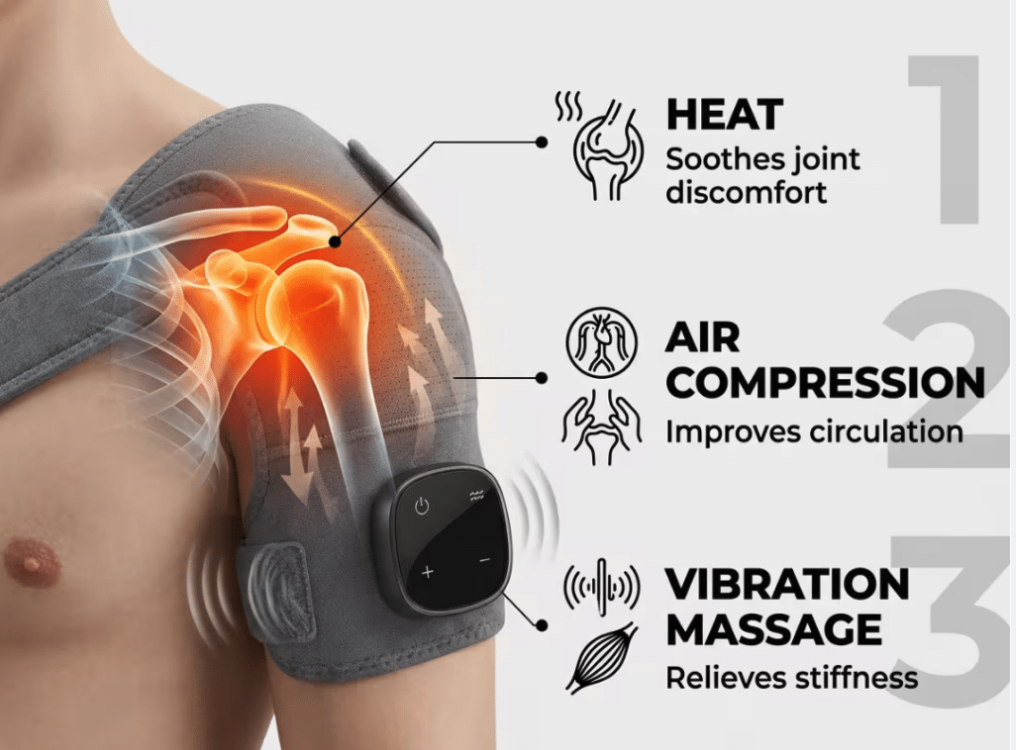
Wearable Device

OptiJoint Shoulder Relief

Triple-therapy wrap combining heat, air compression & vibration for shoulder recovery

Best for
Shoulder pain Frozen shoulder Rotator cuff Bursitis

A cordless, wearable device that delivers three clinically-studied therapies simultaneously — designed for people who've tried heat packs and massage alone and want a multi-modal approach.

Learn More Device
Topical Balm

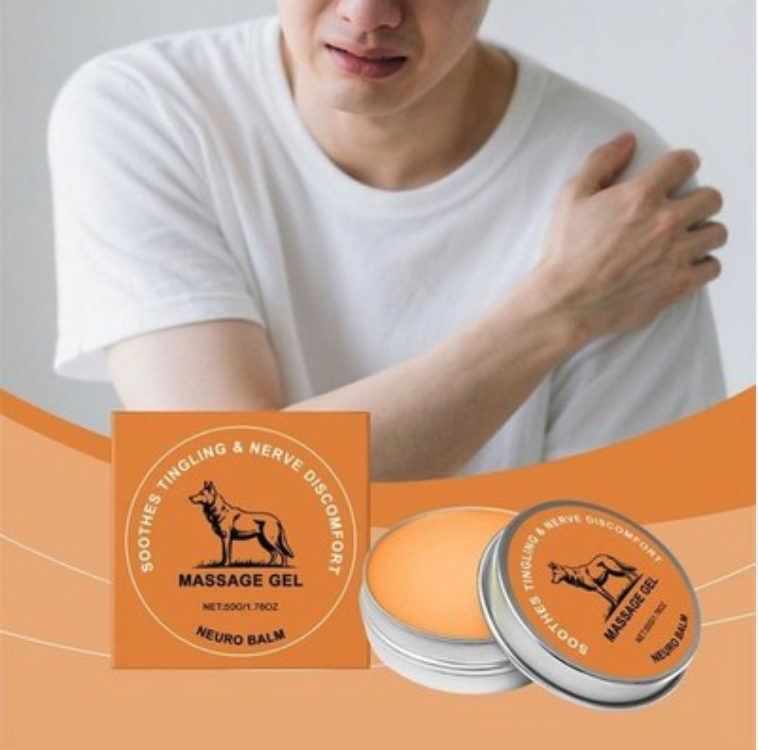
TheraWolf Balm

Advanced formula targeting nerve-related pain, numbness, and deep joint discomfort

Best for
Nerve pain Neuropathy Deep joint ache Nighttime pain

A targeted neuro-analgesic balm with ingredients chosen for their ability to penetrate deep tissue — particularly useful for people dealing with radiating or nerve-involved pain patterns.

Learn More Topical
Cooling Formula

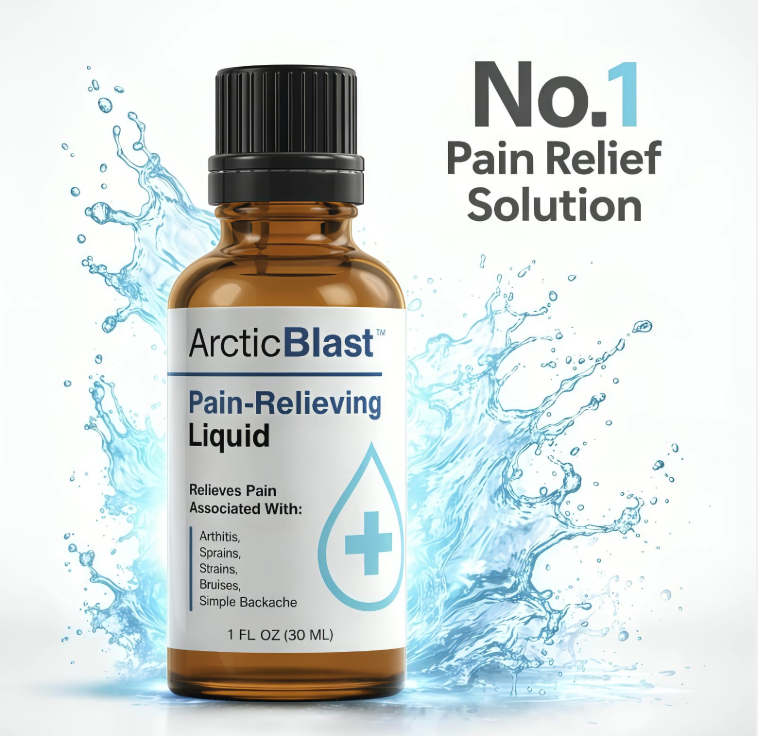
ArcticBlast Pain Relief

Fast-acting cooling drops for acute joint and muscle pain — immediate counterirritant relief

Best for
Acute flare-ups Post-workout Arthritis Quick relief

A liquid cooling formula designed for rapid application and fast-onset relief. Users report it's particularly effective for acute inflammation, post-exercise soreness, and arthritis flare-ups.

Learn More Topical
Back & Spine

NervEase & Sciatica Relief

Formulated specifically for sciatica, lower back pain, and radiating leg discomfort

Best for
Sciatica Lower back pain Radiating leg pain Disc issues

One of the few oral supplements formulated specifically for the pain patterns of sciatica and lumbar radiculopathy — combining anti-inflammatory and nerve-soothing compounds designed to address the root causes of sciatic pain from the inside out.

Learn More Oral Supplement
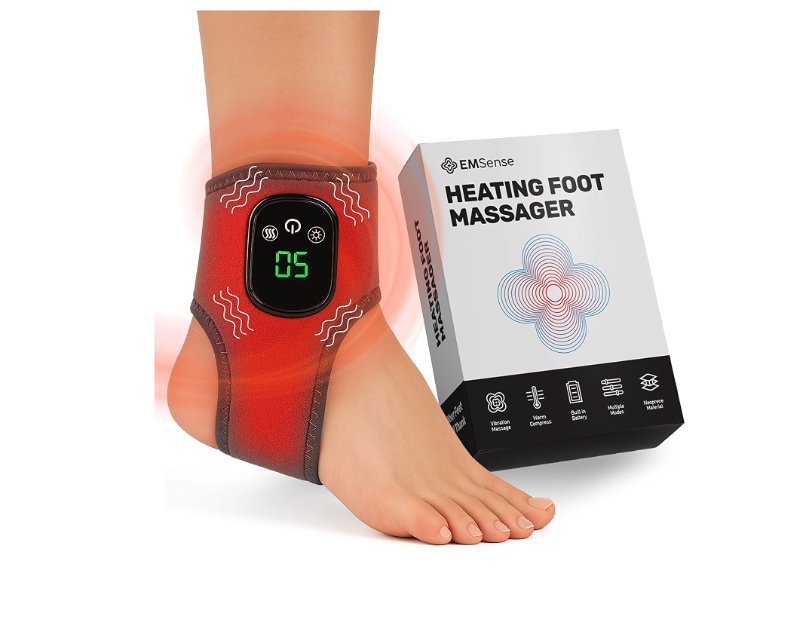
EMS Device

EmSense Foot Massager

Electrical muscle stimulation for deep tissue pain relief and muscle recovery

Best for
Muscle recovery Chronic foot pain Athletes Post-workout

An EMS-based foot massager that delivers electrical pulses to stimulate muscle contractions — widely used in physiotherapy settings and increasingly popular for at-home recovery protocols.

Learn More Device
Sleep & Posture

Derila Ergo Foam Pillow

Ergonomic memory foam pillow designed to reduce neck and shoulder pain during sleep

Best for
Neck pain Shoulder pain at night Poor posture Sleep quality

Many people don't realize their sleeping position and pillow are actively worsening their neck and shoulder pain overnight. This ergonomic design supports cervical spine alignment during sleep.

Learn More Sleep Aid

Editorial note: All products featured on this page have been reviewed by our editorial team for quality, safety, and alignment with published research on pain management. We may earn a commission if you purchase through our links — this does not influence our editorial assessment.

From People Like You

Real experiences from readers who've been dealing with chronic joint and muscle pain — and what made a difference for them.

★★★★★

I played tennis for 30 years. My shoulder had gotten to the point where serving was agony. I tried the OptiJoint after reading about the multi-therapy approach here — within two weeks I was back on the court. I was genuinely surprised.

★★★★★

I sit at a desk for 9 hours a day. My lower back and neck have been a mess for years. The ArcticBlast gave me faster relief than anything I'd tried before — I keep it in my desk drawer now. The sciatica article on this site also helped me understand what was actually happening.

★★★★★

My mom has rheumatoid arthritis and was really struggling. We tried the TheraWolf balm based on the review here. She applies it every night before bed and says it's cut her morning stiffness in half. At 74, that extra hour of comfortable movement is genuinely life-changing for her.

★★★★★

As a pickleball player who got into the sport after 50, I didn't expect to be dealing with knee and elbow issues so quickly. The Emsense massager has become a non-negotiable part of my recovery routine. My PT actually approved of it when I showed her.

★★★★★

Three surgeries on my back over 15 years. Sciatica was my constant companion. The Sciaticyl was the first thing I found that addressed the radiating leg pain — not just the back itself. Combined with the Derila pillow, I'm sleeping through the night for the first time in years.

★★★★★

I spent 25 years as a construction foreman. My knees, back and shoulders have the miles to show for it. I was skeptical of topical products but ArcticBlast changed my mind — it numbs the surface fast. I use it before bed and it lets me actually get comfortable enough to sleep.

Common Conditions We Cover

We publish in-depth guides on the most frequently searched joint and muscle conditions — written for people seeking clear, practical information, not medical jargon.

🦴 Shoulder pain & frozen shoulder Read →
💢 Sciatica & lower back pain Read →
🧴 Joint pain balms & topicals Read →
❄️ Acute inflammation relief Read →
🎾 Sports-related joint pain Read →
😴 Neck & shoulder pain at night Read →
💪 Rotator cuff & tendinitis Read →
🔥 Bursitis & impingement Read →
🦵 Knee & hip joint pain Read →
🧠 Nerve pain & neuropathy Read →
👴 Arthritis & osteoarthritis Read →
🖥️ Desk worker muscle pain Read →

Find the Right Solution for Your Pain

Every person's pain is different. Browse our product reviews to find the approach best matched to your specific condition, lifestyle, and goals — with no fluff and no pressure.

Health Disclaimer: The information on this page is for educational and informational purposes only. It is not intended as medical advice, diagnosis, or treatment. Individual results with any product may vary. Always consult a qualified healthcare professional before beginning any new therapy, especially if you have a diagnosed condition, are recovering from surgery, or take prescription medications. Product efficacy claims referenced here are based on publicly available consumer reviews and manufacturer information. This site contains affiliate links — we may earn a commission on purchases made through these links, at no additional cost to you.